The Straight‑Talk Guide for Working Men
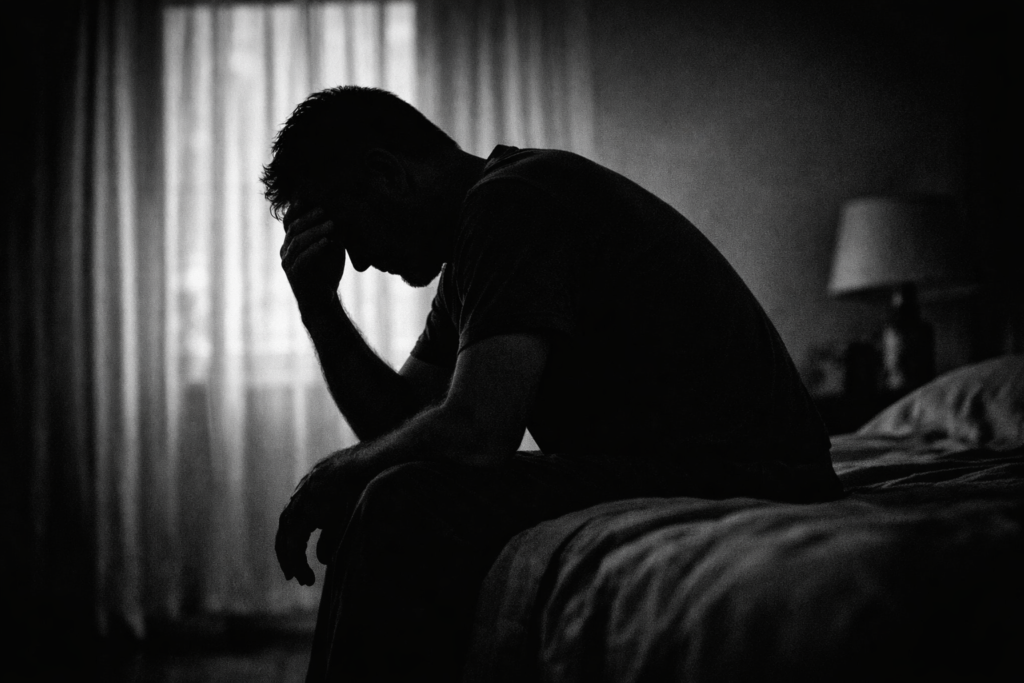
Most men think slow recovery is just “getting older.”
It’s not.
Slow recovery is one of the earliest warning signs that your body is running on low power, low resources, and low resilience. It’s the signal that your system is stuck in survival mode — not repair mode.
Here’s the truth nobody tells men:
If you recover slowly, it’s not because you’re old. It’s because your body has been overloaded for years.
And when your body is overloaded, everything takes longer to heal, reset, and bounce back.
Let’s break it down in plain English.
1. What “Slow Recovery” Actually Means in a Man’s Body
Recovery isn’t just about workouts. It’s everything:
- how fast soreness fades
- how quickly stress leaves your system
- how long it takes to feel normal after a long day
- how fast your energy returns
- how quickly your digestion resets
- how long it takes to calm down after getting wound up
- how fast you bounce back from bad sleep
- how long pain lingers
- how long inflammation sticks around
When recovery slows down, it means one thing:
Your body is spending all its energy surviving, not repairing.
That’s the real problem.
2. The 5 Hidden Reasons Men Over 40 Recover Slower
1. Your nervous system is stuck in “high alert.”
This is the big one. When your nervous system is overloaded:
- muscles stay tight
- inflammation stays high
- digestion slows
- sleep gets shallow
- stress chemicals stay elevated
Your body can’t repair when it thinks it’s still in danger.
2. You’ve been carrying responsibility for decades.
Men don’t get “rest.” They get pauses between problems.
Your body never gets a true off‑switch.
3. Your sleep isn’t deep enough to rebuild anything.
You might get 7–8 hours, but if it’s light, broken, or restless, your body never enters the repair phase.
4. Your blood sugar rollercoaster is draining your energy.
Afternoon crashes. Post‑meal fatigue. Brain fog.
Every crash steals recovery resources.
5. Chronic low‑grade inflammation is always running in the background.
This is the “silent fire” that slows healing, stiffens joints, and keeps soreness hanging around.
3. The Symptoms of Slow Recovery (Men Think These Are Random)
Energy
- tired even after rest
- afternoon crashes
- wired at night
- “I feel drained for no reason”
Pain
- soreness that lasts days
- lingering back or neck pain
- tight hips
- slow healing from minor injuries
Sleep
- waking up tired
- waking up at 3 AM
- light, shallow sleep
Digestion
Stress
- short fuse
- anxiety you never had
- feeling overwhelmed
- heart racing at rest
Hormones
- low libido
- belly fat
- low motivation
- low drive
These aren’t separate issues.
They’re one issue showing up in different ways.
4. Why Doctors Can Often Miss Slow Recovery
Doctors treat symptoms, not systems.
- “You’re tired? Must be sleep.”
- “Your digestion is off? Must be diet.”
- “Your muscles are tight? Must be age.”
- “You’re stressed? Must be anxiety.”
They sometimes never ask the real question:
Why is this man’s body recovering so slowly?
Because if they did, everything would suddenly make sense.
5. The Working Man’s Recovery Pattern (The One Nobody Talks About)
Here’s the pattern almost every man over 40 falls into:
- You push hard for years.
- Stress builds up.
- Sleep gets lighter.
- Muscles stay tight.
- Digestion slows.
- Energy becomes unstable.
- Pain lingers.
- Recovery slows down.
- Everything starts feeling harder.
This is the slow slide men mistake for aging.
It’s not aging. It’s overload.
6. The Good News: You Can Speed Up Recovery Fast
You don’t need supplements. You don’t need a gym membership. You don’t need a 30‑day program.
You need to turn off the survival mode your body has been stuck in.
When you do that:
- energy returns
- digestion improves
- pain fades quicker
- sleep deepens
- inflammation drops
- stress tolerance increases
- strength comes back
- libido improves
- mood steadies
Recovery is the master lever.
Pull it, and everything else starts working again.
7. The 3 Things That Instantly Improve Recovery in Men Over 40 (Do These Daily)
Most men don’t need more information — they need instructions. Here’s exactly what to do to speed up recovery starting today.
1. Downshift Your Nervous System (2 Minutes, Anytime)
This is the fastest way to flip your body out of “survival mode” and back into “repair mode.”
Do this once in the morning, once in the evening, and anytime you feel tense:
- Sit or stand tall.
- Drop your shoulders.
- Unclench your jaw.
- Exhale slowly for 6 seconds.
- Pause for 1 second.
- Inhale gently for 4 seconds.
- Repeat 5–10 times.
Why it works: Long exhales tell your body, “You’re safe. You can repair now.” This lowers stress chemicals, loosens muscles, and improves blood flow.
2. Break the Stress Loop Throughout the Day (30 Seconds Each Time)
Men wait until they’re fried before they try to relax. That’s too late.
Instead, use micro‑resets:
Every 2–3 hours:
- Stand up.
- Roll your shoulders back.
- Take one long exhale.
- Stretch your chest or hip flexors for 10–15 seconds.
- Let your belly soften.
Why it works: These tiny resets stop your nervous system from red‑lining. They prevent the “slow build” of tension that wrecks recovery later.
3. Build a Simple Recovery Routine (5 Minutes at Night)
This is where you lock in the gains.
Do this before bed:
- Sit on the edge of your bed.
- Take 5 slow breaths (long exhale).
- Stretch your hips for 20–30 seconds each.
- Stretch your chest for 20–30 seconds.
- Let your shoulders drop and breathe normally for 30 seconds.
Why it works: This routine signals your body to switch into “repair mode” before sleep — the only time your body actually rebuilds.
Try these Routines for added relief:
This is how men wake up less stiff, less sore, and more energized.
8. The Mule Man Takeaway
Slow recovery isn’t a sign of weakness.
It’s a sign you’ve been carrying too much, for too long, with no real off‑switch.
But once you understand what’s happening — once you learn how to downshift your system — your body stops fighting you and starts rebuilding again.
This is how men over 40 get their edge back.
Disclaimer
This content is for general information only. It’s not medical advice, and it’s not a substitute for talking with a qualified health professional.