For the men who keep pushing, keep carrying, and keep pretending they’re fine — until their body finally calls their bluff.
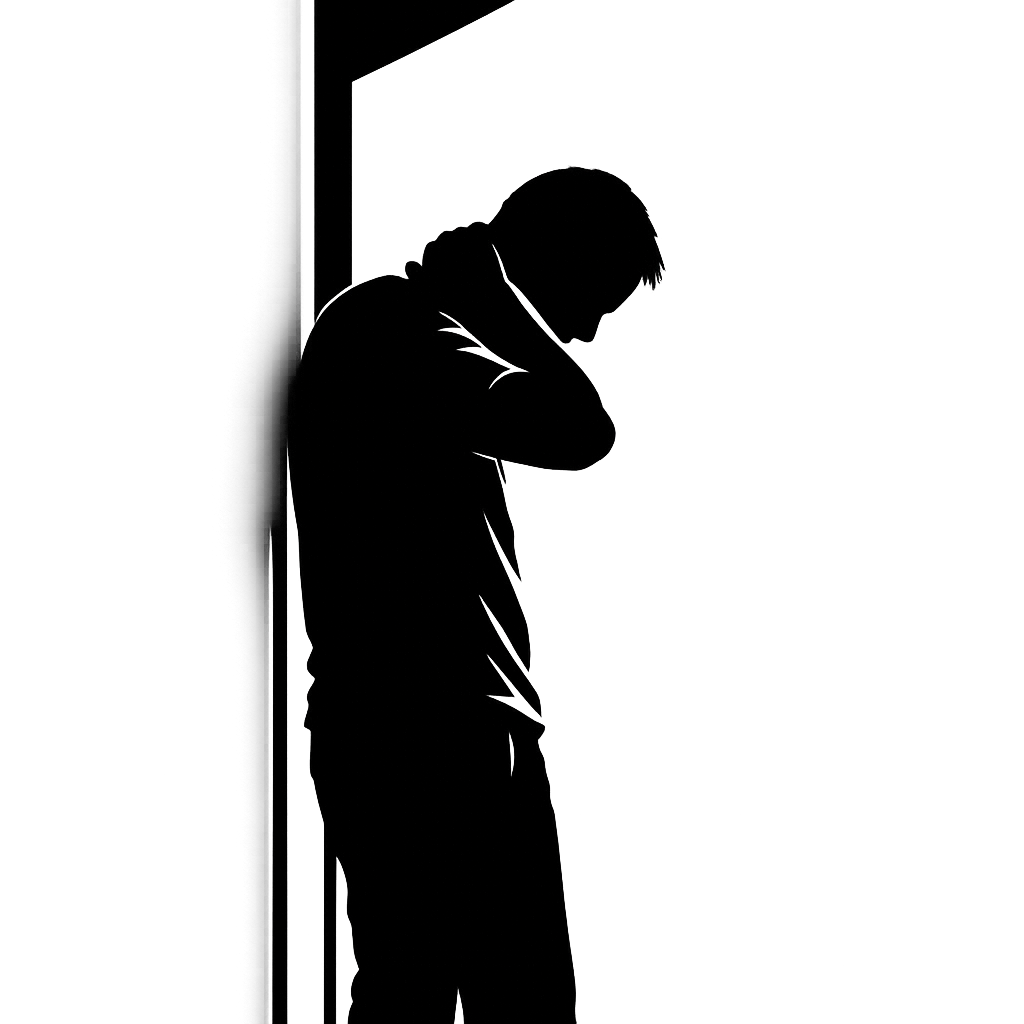
The burnout men feel after 40 doesn’t look like collapse.
It’s quieter.
More private.
Most men don’t “burn out” in a dramatic moment.
They burn out in layers:
• A little more irritability
• A little more weight around the middle
• A little less patience
• A little more pain
https://healthylivinglore.com/why-men-over-40-feel-exhausted-even-when-they-sleep/• A little less drive
And because it happens slowly, men don’t notice the pattern until they’re deep in it.
Burnout in men over 40 is a nervous system problem — not a motivation problem.
Your body isn’t failing.
It’s adapting.
Years of:
• constant pressure
• financial stress
• family responsibility
• sleep debt
• unresolved tension
• never truly resting
…push your nervous system into a permanent “fight mode.”
When your body stays in that mode long enough, it starts shutting down anything that isn’t essential for survival:
• energy
• libido
• patience
• recovery
• focus
• emotional bandwidth
This is why men say things like:
“I’m tired, but not sleepy.”
“I’m here, but I’m not really here.”
That’s not laziness.
That’s a system stuck in overdrive.
The cycle looks like this:
1. You push through stress
Because that’s what men do.
2. Your body compensates
More cortisol, more tension, more inflammation.
3. You feel “off,” but keep going
Because stopping feels worse than pushing.
4. Your energy drops
But you blame age, not overload.
5. You lose motivation
Not because you don’t care — because your system is exhausted.
6. You push harder
Which restarts the cycle.
This is the silent burnout loop.
Most men live in it for years.
The way out isn’t heroic. It’s biological.
You don’t fix burnout with:
• motivation
• discipline
• supplements
• hacks
• “grinding harder”
You fix it by resetting the system that’s been running too hot for too long.
That means:
• lowering baseline stress
• improving sleep quality
• breathing in a way that calms the body
• moving in ways that release tension
• giving the nervous system actual recovery
Not a vacation.
Not a weekend off.
Not a “self‑care day.”
A reset — small, daily, repeatable.
Men don’t talk about burnout because it doesn’t look like weakness.
It looks like:
• being tired all the time
• snapping at people you love
• losing interest in things you used to enjoy
• feeling disconnected
• carrying tension you can’t shake
• waking up already drained
This article is the first step in naming it.
The next step is breaking the cycle.
This content is for general information only. It’s not medical advice, and it’s not a substitute for talking with a qualified health professional.