The Straight‑Talk Guide for Working Men
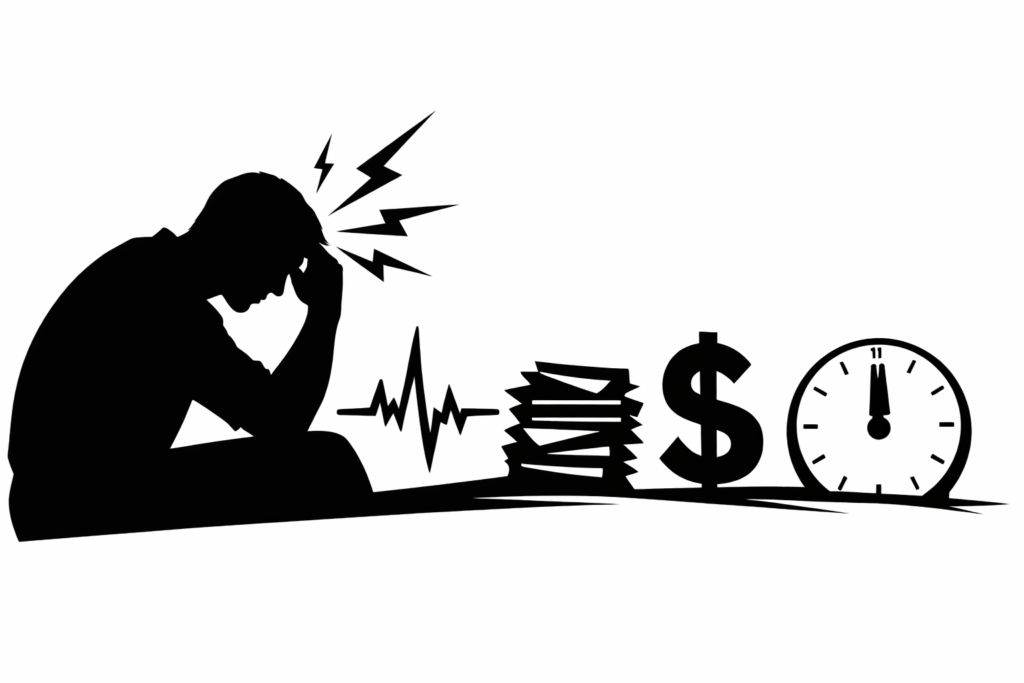
Men don’t like admitting it, but here’s the truth:
Stress hits harder after 40 — and it’s not because you got weaker. It’s because your system has been running hot for decades.
If you’ve noticed you get irritated faster… If small problems feel bigger than they should… If your patience is thinner… If your body reacts stronger than your mind thinks it should…
You’re not imagining it. You’re not “losing it.” You’re not becoming soft.
Your nervous system is overloaded — and after 40, it doesn’t bounce back the way it used to.
Let’s break it down in plain English.
1. Stress Hits Harder After 40 Because Your System Is Already Full
When you were younger, you had:
- more recovery capacity
- more hormonal support
- more physical resilience
- fewer responsibilities
- fewer accumulated hits
Stress rolled off you because your system had room.
Now?
You’ve got:
- work pressure
- bills
- aging parents
- kids
- marriage stress
- health issues
- sleep debt
- decades of tension stored in your muscles
Your system isn’t weak — it’s full.
And when a system is full, even small stressors overflow the bucket.
2. The Nervous System Changes After 40 (And Nobody Tells Men This)
Your nervous system is the control center for:
- energy
- digestion
- sleep
- hormones
- blood pressure
- muscle tension
- mood
- pain
- focus
After 40, three big shifts happen:
Shift #1: Your stress response becomes more sensitive
Your body reacts faster and stronger to stress than it used to.
Shift #2: Your recovery system slows down
You don’t reset as quickly. You stay “on edge” longer.
Shift #3: Your baseline tension rises
Your muscles stay tighter. Your breathing gets shallower. Your heart rate stays slightly elevated.
This is why stress feels heavier — your system is already halfway activated before anything even happens.
3. The Real Reason Men Over 40 Feel “On Edge” All the Time
Men don’t talk about stress. Men don’t vent. Men don’t unload.
Men carry.
And carrying weight for 20–30 years does something to your body:
It keeps your nervous system stuck in high alert.
That means:
- your muscles stay tight
- your digestion slows
- your sleep gets lighter
- your patience gets shorter
- your heart reacts faster
- your mind jumps quicker
- your fuse gets shorter
This isn’t personality. This isn’t aging. This is physiology.
Your body is doing exactly what it was trained to do: stay ready for the next hit.
4. The 7 Signs Stress Is Hitting You Harder Than It Should
1. You get irritated faster
Small things feel big.
2. You can’t “shake things off” like you used to
Your system stays activated.
3. Your sleep is lighter or broken
Stress chemicals keep you from dropping into deep sleep.
4. Your digestion is unpredictable
Stress slows gut movement.
5. Your heart jumps at random
Your system is primed for danger.
6. You feel overwhelmed more easily
Your stress bucket is already full.
7. You crash harder at the end of the day
Your system burns through energy faster.
These aren’t character flaws. They’re stress physiology.
5. Why Stress Feels Worse Even When Life Isn’t “That Bad”
This is the part men never see coming:
Your body reacts to accumulated stress, not just today’s stress.
Meaning:
- today’s argument
- today’s deadline
- today’s problem
…is landing on top of 20 years of unprocessed tension.
Your body isn’t reacting to the moment — it’s reacting to the pile.
That’s why stress feels heavier now.
6. The Hidden Stressors That Hit Men Over 40 the Hardest
These don’t feel like “stress,” but they overload your system:
- poor sleep
- blood sugar swings
- chronic inflammation
- tight hips and chest
- shallow breathing
- screen fatigue
- constant responsibility
- never having true downtime
These are the silent stressors that push men into overload without them realizing it.
7. The Good News: You Can Handle Stress Better Again
You don’t need therapy. You don’t need supplements. You don’t need a retreat in the mountains.
You need to reset the system that’s been stuck in high alert.
When you do that:
- your patience returns
- your sleep deepens
- your digestion calms
- your heart steadies
- your energy stabilizes
- your mind clears
- your fuse lengthens
You don’t become a different man — you become the man you were before your system got overloaded.
8. The 3 Things That Make Stress Easier to Handle After 40
These are simple, fast, and built for working men.
1. The 20‑Second Downshift
Do this anytime you feel tense:
- Drop your shoulders
- Unclench your jaw
- Exhale slowly for 6 seconds
- Inhale gently for 4 seconds
- Repeat 3 times
This tells your brain: “We’re safe. Stand down.”
2. The 30‑Second Stress Interrupt
Every 2–3 hours:
- Stand up
- Roll your shoulders back
- Stretch your chest
- Take one long exhale
This stops stress from stacking up.
3. The 3‑Minute Night Reset
Before bed:
1. 5 slow breaths
Long exhale each time.
2. Hip stretch — 20–30 seconds each side
How to do it:
- Sit on the edge of your bed.
- Cross your right ankle over your left knee (figure‑4 position).
- Keep your back straight.
- Lean forward slightly until you feel a stretch deep in the hip.
- Switch sides.
Why it works: Tight hips signal “danger” to the nervous system. Loosening them tells your body it can downshift.
3. Chest opener — 20–30 seconds
How to do it:
- Stand in a doorway.
- Place your forearms on the doorframe at shoulder height.
- Step forward gently until you feel your chest open.
- Keep your shoulders down and relaxed.
Why it works: Stress collapses the chest and shortens breathing. Opening the chest resets your breathing pattern and calms the system.
4. Sit still for 30 seconds
Let everything drop — shoulders, jaw, belly.
This tells your body: “The day is over. You can rebuild now.”
9. The Mule Man Takeaway
Men over 40 don’t handle stress worse because they’re weaker.
They handle stress worse because they’ve been carrying too much, for too long, with no off‑switch.
But once you learn how to reset your nervous system — once you learn how to downshift — stress stops hitting you like a freight train.
You get your patience back. You get your clarity back. You get your strength back.
This is how men over 40 take their edge back.
Disclaimer
This content is for general information only. It’s not medical advice, and it’s not a substitute for talking with a qualified health professional.