A Mule‑Man Guide to Taking Back Control Without Losing Yourself
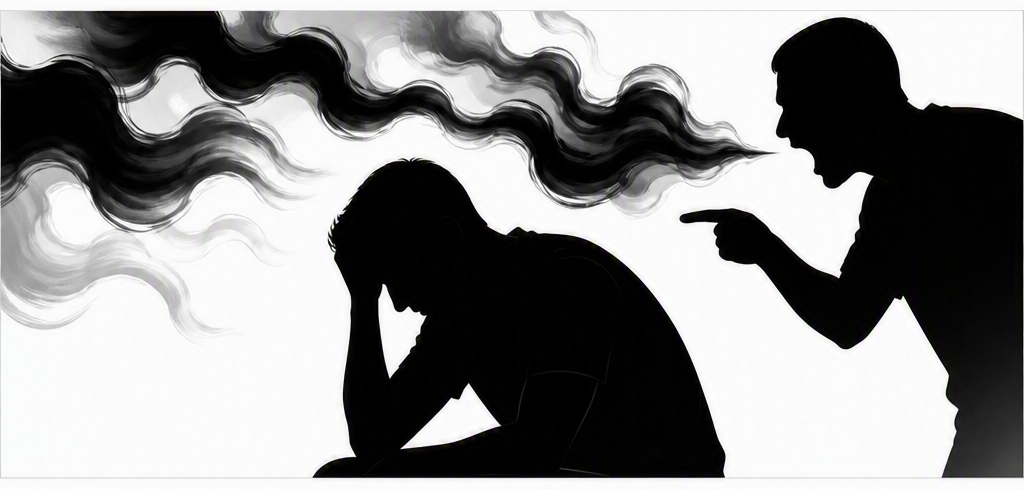
Some men think leadership means “put up with everything.” But the truth is simple: one toxic person can drain the entire group, and the leader pays the highest price.
When you’re running a small group — a Bible study, a men’s circle, a hobby meet‑up, a recovery group, anything — you’re trying to build something good. You’re trying to create a space where men can breathe, talk, grow, and feel steady.
But then there’s that one guy. The one who:
- Turns every meeting into drama
- Undercuts you in subtle ways
- Makes others uncomfortable
- Brings negativity like it’s his job
- Leaves you feeling depressed after every session
And now you’re stuck wondering: Do I confront him? Do I remove him? Do I keep trying? Am I the problem?
Let’s walk through this Mule‑Man style — steady, practical, no fluff.
1. First truth: You’re not weak for feeling drained
A toxic person in a small group hits harder than in a big group. Why?
Because you feel responsible for everyone’s experience. You’re the one holding the space together. When someone disrupts that, it feels personal — even though it isn’t.
Feeling bummed out or depressed doesn’t mean you’re failing. It means you’re carrying too much weight alone.
2. Identify the type of toxic behavior
Most toxic group members fall into one of these categories:
- The Dominator — talks over everyone, hijacks the meeting
- The Contrarian — argues with everything, even good ideas
- The Victim — drains the group with constant crisis
- The Underminer — quietly sows doubt about you or the group
- The Chaos Agent — unpredictable, emotional, disruptive
Knowing the type helps you choose the right response.
3. Your job is not to fix him — your job is to protect the group
This is the hardest part for men. We want to “save” people. We want to “help him get better.”
But leadership means protecting the mission, not rescuing every personality.
If one person is hurting the group, you must act — not out of anger, but out of responsibility.
4. Start with a private conversation (short, direct, steady)
You don’t need a long emotional talk. You need clarity.
A simple script:
“I want this group to stay strong. I’ve noticed some behaviors that are disrupting the flow. I need you to help me keep things steady. Here’s what needs to change…”
List specific behaviors, not personality traits.
If he responds well — great. If he gets defensive, blames others, or refuses to adjust — you already have your answer.
5. If he won’t change, you remove him — cleanly and calmly
This is where most men freeze. They fear conflict. They fear being “the bad guy.”
But removing one toxic person often saves the entire group.
A simple removal script:
“I appreciate you being part of this group, but the fit isn’t right. I need to keep the group healthy, and that means making a change. I wish you well moving forward.”
Short. Respectful. Final.
You don’t need to explain further. You don’t need to debate. You don’t need to justify.
Leadership is boundary-setting.
6. After he’s gone, the group will breathe again
You’ll notice it immediately:
- The energy lifts
- People talk more
- Meetings feel lighter
- You feel less depressed
- The mission gets back on track
Removing toxicity isn’t cruelty — it’s maintenance.
7. And you? You’ll feel like yourself again
When a toxic person leaves, the leader often feels:
- Relief
- Clarity
- Confidence
- Motivation
- Peace
You weren’t the problem. You were carrying the problem.
Now you’re free to lead again.
Q & A Section
Q: What if he gets angry when I confront him?
Anger is a sign he wasn’t going to change anyway. Stay calm, stay brief, and don’t get pulled into emotional wrestling.
Q: What if other group members like him?
They like him because you have been absorbing the damage. Once he’s gone, they’ll see the difference.
Q: What if I feel guilty removing him?
Guilt is normal. But remember: you’re protecting the group, not punishing him.
Q: What if he spreads rumors or talks bad about me afterward?
Let him talk. Men who behave like that reveal themselves quickly. Stay steady and keep leading.
Q: What if I’m afraid the group will shrink?
A smaller healthy group is better than a larger toxic one. Quality beats quantity every time.
Q: What if I’m already depressed from dealing with him?
That’s your signal that the situation has gone on too long. Removing him is part of your own mental maintenance.
Medical Disclaimer
This content is for general information only. It’s not medical advice, and it’s not a substitute for talking with a qualified health professional.
Stay Steady, Stay Strong, Stay Useful