A Mule‑Man Guide for Working Men Who Need Clarity, Not Chaos
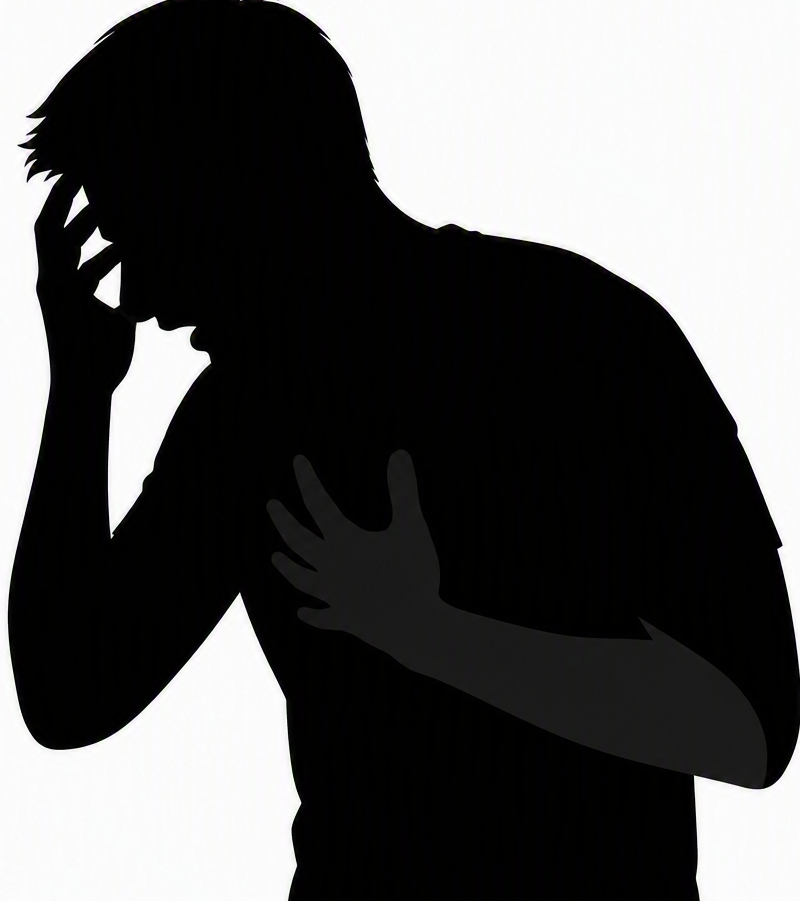
Men don’t talk about panic attacks. But they happen — especially when stress stacks up, sleep drops, and life hits from all sides.
A panic attack is your body firing an emergency alarm when there is no actual emergency. It feels dangerous, but it is not dangerous.
The key is knowing what’s happening and how to shut it down fast.
What a Panic Attack Really Is
A panic attack is a sudden surge of fear or adrenaline that hits out of nowhere. It’s your body misreading stress as danger.
It can last 5–20 minutes, but the peak usually hits in the first 2–5 minutes.
You’re not dying. You’re not losing control. You’re not having a heart attack. Your body is simply overloaded.
The Silent Signs Men Ignore
These are the most common panic attack symptoms men mistake for something deadly:
- A sudden pounding heartbeat
- Tight chest or “can’t get a full breath” feeling
- Tingling in hands, face, or lips
- Feeling faint or unsteady
- A wave of heat or cold
- A sense of “something bad is about to happen”
- A rush of adrenaline for no reason
- Feeling detached or “not real”
- Shaking or trembling
- A lump in the throat
- Sudden nausea or stomach drop
If three or more of these hit at once — especially during stress — it’s almost always a panic attack. But, if your at all concerned it is something more serious consult a health professional immediately.
The Mule‑Man Rule:
If the symptoms come fast, hit hard, and feel like a “wave,” it’s panic. If the symptoms build slowly over hours, it’s not.
How to Stop a Panic Attack Immediately
These steps work because they shut down the adrenaline loop and force your nervous system to reset.
Do them in order.
1. Sit Down and Drop Your Shoulders
Your shoulders rising is the first sign your body is bracing for danger.
Drop them. Let your arms hang. Spread your fingers.
This signals your brain: “We’re not in danger.”
2. Breathe Like This — Not Deep Breaths
Deep breaths make panic worse.
Use the Mule‑Man reset:
Inhale for 4 seconds Hold for 2 Exhale for 6
Do this six times.
The long exhale forces your heart rate down.
3. Name What’s Happening Out Loud
Say this:
“This is a panic surge. It will pass.”
This interrupts the fear loop.
Your brain listens when you speak.
4. Put Your Hands Under Cold Water
Cold activates the vagus nerve — your body’s natural “calm switch.”
10–20 seconds is enough.
If no water is available: Rub your hands together fast, then blow cool air on them.
5. Ground Yourself in the Room
Pick:
- 5 things you can see
- 4 things you can touch
- 3 things you can hear
- 2 things you can smell
- 1 thing you can taste
This pulls your brain out of the “danger fantasy” and back into reality.
6. Relax Your Jaw
A clenched jaw tells your nervous system you’re bracing for impact.
Let it go slack.
Your heart rate will drop within 10–20 seconds.
7. The Mule‑Man Anchor
Put one hand on your chest and one on your stomach.
Say:
“I’m steady. I’m safe. This will pass.”
Your body responds to calm authority — especially your own.
When Panic Feels Like a Heart Attack
Men often confuse the two.
Here’s the difference:
Panic Attack
- Sharp, fast onset
- Comes in a wave
- Tingling hands/face
- Feels like you can’t breathe, but you can
- Improves when you move or breathe
Heart Attack
- Pressure, heaviness, or squeezing
- Pain spreading to jaw, shoulder, or left arm
- Nausea with sweating
- Shortness of breath that gets worse
- Does not improve with breathing
If symptoms feel new, unusual, or dangerous, get checked. No shame in that.
Why Panic Attacks Happen to Men
Men carry stress quietly.
Common triggers:
- Long-term pressure
- Poor sleep
- Financial stress
- Relationship strain
- Overwork
- Caffeine overload
- Skipped meals
- Chronic worry
- Sudden fear or bad news
Your body eventually hits a limit.
A panic attack is the overflow.
How to Prevent Future Panic Attacks
These simple habits reduce panic frequency:
- Eat every 4–5 hours
- Cut caffeine after noon
- Walk 10–15 minutes daily
- Stretch your chest and neck
- Sleep 6–8 hours
- Reduce scrolling before bed
- Keep a steady daily rhythm
- Avoid arguing when exhausted
Men don’t need perfection — they need consistency.
Mule‑Man Q & A
Q: Can panic attacks happen even when I feel calm?
Yes. They often hit when stress has been building quietly for days.
Q: Can panic attacks cause real physical symptoms?
Absolutely. The symptoms are real — but not dangerous.
Q: Can panic attacks happen during sleep?
Yes. They can wake you suddenly with a racing heart.
Q: How long does a panic attack last?
Usually 5–20 minutes. The peak is in the first few minutes.
Q: Can panic attacks cause long-term damage?
No. They feel awful, but they do not harm your heart or brain.
Q: Should I tell someone?
Yes. Panic loses power when you stop hiding it.
Article Disclaimer
This content is for general information only. It is not medical advice and is not a substitute for speaking with a qualified health professional.