Most men will limp through back pain, shoulder pain, even kidney stones before they’ll admit this one thing:
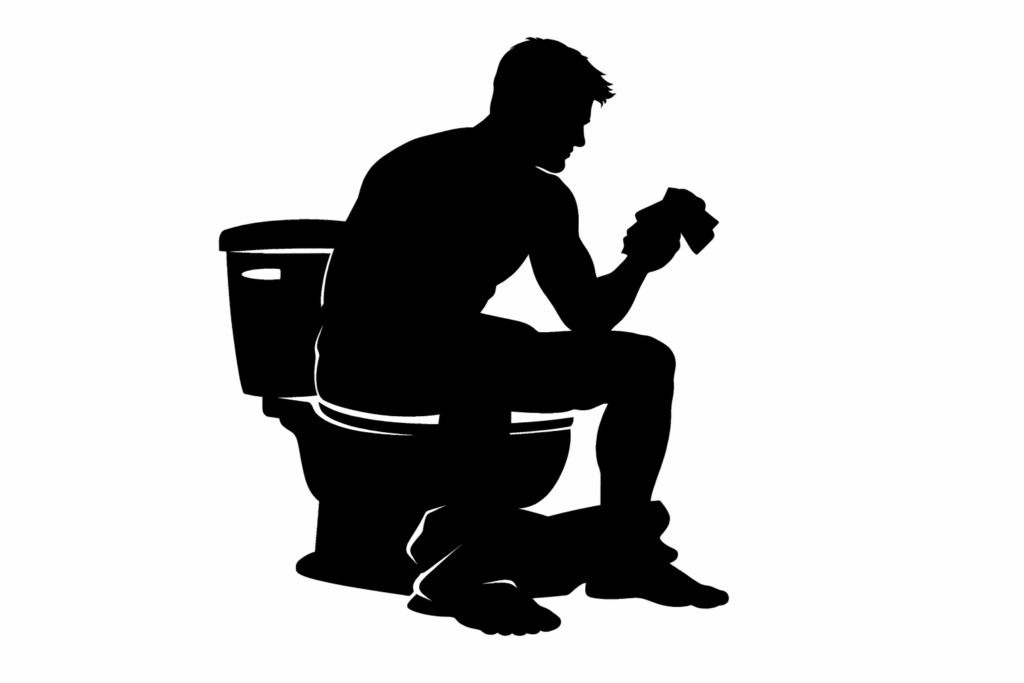
A tiny tear in the skin of the anus can drop a grown man to his knees.
It’s called an anal fissure, and after 40 it becomes far more common — mostly because of the way stress, sitting, diet, and tension change a man’s body as he ages.
This isn’t a “bathroom problem.” It’s a nervous system, muscle tension, blood flow, and lifestyle problem that shows up in the most sensitive place you’ve got.
Let’s break it down Mule Men style — direct, simple, and built to help you fix it.
What an Anal Fissure Actually Is
An anal fissure is a small tear in the lining of the anal canal. It’s usually caused by:
- Passing a hard stool
- Straining
- Chronic constipation
- Chronic diarrhea
- Tight pelvic floor muscles
- Poor blood flow to the area
- High stress and tension
The tear exposes nerve endings — which is why the pain feels sharp, burning, or like “passing broken glass.”
Why Men Over 40 Get Them More Often
After 40, a few things shift:
1. The pelvic floor gets tighter, not weaker.
Men think “weak muscles” cause problems. Not here. Most men have over‑tight pelvic floor muscles from years of sitting, stress, and clenching.
Tight muscles = less blood flow = tissue that tears easily.
2. Testosterone slowly declines.
Lower testosterone → slower tissue repair → fissures heal slower.
3. Stress hits harder.
Stress tightens the pelvic floor and slows digestion. Slow digestion = harder stools = more tearing.
4. Men ignore early warning signs.
A little blood on the toilet paper? A little sting? Most men shrug it off until it becomes a full‑blown tear.
The Classic Symptoms
If you’ve got a fissure, you’ll know it. Typical signs:
- Sharp pain during a bowel movement
- Burning pain that lasts minutes to hours afterward
- Bright red blood on toilet paper
- A small “cut” sensation
- Fear of the next bowel movement
- Tightness or spasm in the anal area
Some men think it’s hemorrhoids — but hemorrhoids are more of a pressure, swelling, itching problem. Fissures are sharp, cutting, burning.
The Real Root Causes (The Ones Men Never Hear About)
1. Pelvic Floor Spasm
This is the big one. When the internal anal sphincter goes into spasm, it clamps down like a vise. That spasm:
- Makes the tear worse
- Prevents blood flow
- Stops healing
- Causes the “afterburn” pain
Most men never get told this.
2. https://healthylivinglore.com/the-beet-cacao-stack/Poor Blood Flow
The anal canal has terrible circulation to begin with. Add sitting all day and stress? You’ve got a perfect storm.
3. Constipation from Diet & Stress
Men over 40 often eat:
- Too much protein
- Not enough water
- Not enough fiber
- Too much processed food
Combine that with stress slowing digestion and you get hard, dry stools that tear tissue.
4. Chronic Diarrhea
The opposite problem can also cause fissures. Frequent wiping + acidic stool = irritation + tearing.
What Actually Helps (The Mule Men Fix)
This is the part men need — simple, practical, and actually effective.
1. The Warm Water Rule
Every bowel movement should be followed by:
- A warm shower
- A warm sitz bath
- Or warm water on toilet paper
Warmth relaxes the sphincter and increases blood flow.
Use it during bowel movements to relax the pelvic floor. This alone prevents half of all fissures.
3. The “Soft Stool Protocol”
For 7–14 days:
- Add 1–2 tablespoons of olive oil daily
- Drink 60–80 oz of water
- Add 1–2 servings of fruit (kiwi, pears, berries)
- Add 1 serving of cooked vegetables
- Optional: magnesium citrate (general info: often used to soften stool)
This keeps stool soft enough to avoid re‑tearing.
4. Stop Straining
If you have to push, stop. Walk around. Drink water. Try again later.
5. Heat Before Bed
A warm compress on the area for 10 minutes relaxes the internal sphincter and improves healing overnight.
Even 5 minutes of standing every hour helps blood flow.
When to See a Doctor
Men should get checked if:
- Pain lasts more than 6 weeks
- There’s persistent bleeding
- There’s a lump that doesn’t go away
- You have fever or drainage
- You suspect infection
Doctors may consider options like topical medications or other treatments depending on the situation.
The Mule Men Bottom Line
Anal fissures are brutal — but they’re fixable.
The real key is relaxing the pelvic floor, improving blood flow, and keeping stool soft while the tissue heals.
Most men suffer in silence. You don’t have to.
This is a fixable problem, and the sooner you address it, the faster you get your life back.
This content is for general information only. It’s not medical advice, and it’s not a substitute for talking with a qualified health professional.