A Mule Man doesn’t complain about being tired. He pushes through. He gets the job done.
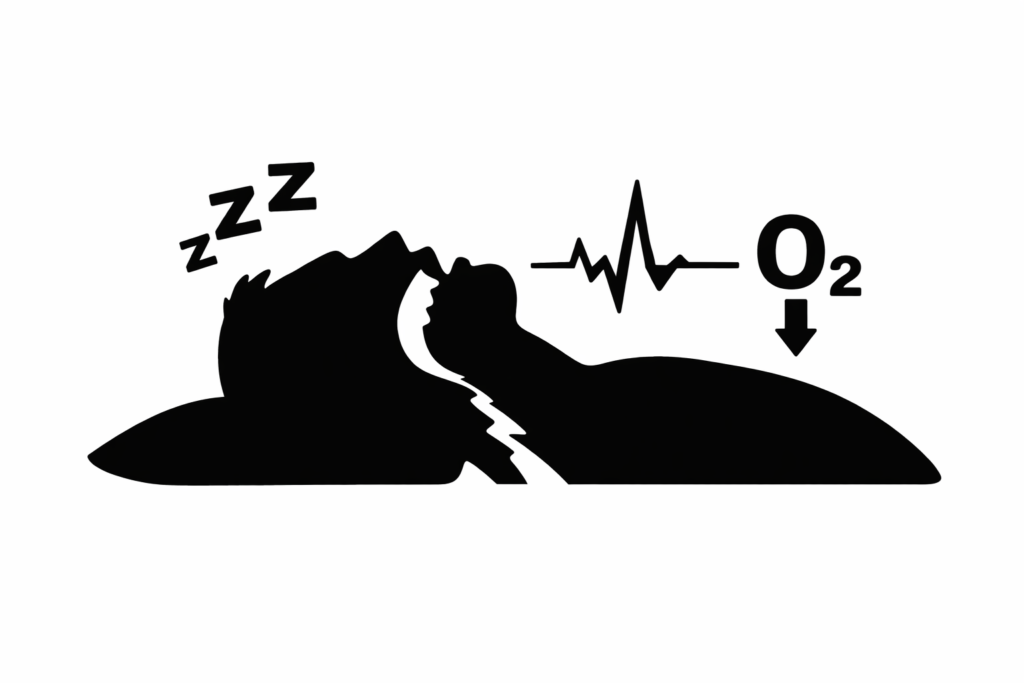
But there’s a difference between being tired and being drained at the bone — the kind of exhaustion that sleep, coffee, or willpower can’t fix.
That’s when you stop blaming “age” and start looking at the real enemy.
For a lot of men over 40, that enemy is sleep apnea — a quiet chokehold that steals your oxygen, your strength, and your edge while you’re unconscious.
1. What Sleep Apnea Really Is (Mule Man Plain Talk)
Sleep apnea means your airway collapses and you stop breathing in your sleep.
Not once. Not twice. Sometimes hundreds of times a night.
Every time it happens:
- Your oxygen drops
- Your brain hits the panic button
- Your heart slams the gas pedal
- Your sleep shatters
You wake up feeling like you fought something all night — because you did.
2. Why It Hits Men Over 40 Harder Than Anyone
A man’s body changes after 40. Some of those changes tighten the noose around your airway:
- Weight around the neck and chest
- Dropping testosterone
- Stress that never shuts off
- Inflammation from modern living
- Loss of muscle tone in the throat
- Stiff posture from years of grinding
You don’t have to be overweight. You don’t have to snore like a chainsaw. You just have to be a man who’s lived some life.
3. The Signs Most Men Ignore
Sleep apnea doesn’t always sound like snoring. Sometimes it looks like a man who’s running on fumes:
- Waking up tired every morning
- Brain fog that slows your thinking
- Falling asleep in the chair after dinner
- Dry mouth in the morning
- Headaches when you wake
- Low patience, short fuse
- Low testosterone symptoms
- High blood pressure
- Waking up to pee multiple times
- Feeling wired at night but dead in the morning
- Weight gain that won’t budge
Most men chalk this up to “getting older.” That’s how sleep apnea wins.
4. What Sleep Apnea Does to a Man’s Body
This isn’t just about snoring. This is about oxygen — the fuel your body can’t live without.
When you choke all night, your body pays:
Heart
- Blood pressure climbs
- Heart muscle thickens
- Heart attack and stroke risk jumps
Hormones
- Testosterone drops
- Cortisol spikes
- Metabolism slows
Brain
- Memory dulls
- Reaction time slows
- Dementia risk rises
Energy
- Deep sleep disappears
- Muscles don’t recover
- You wake up already behind
Mood
- Irritability
- Anxiety
- Low resilience
Sleep apnea is slow-motion suffocation. Night after night.
5. The Mule Man Self-Test (5 Minutes)
If you answer YES to 3 or more, sleep apnea is on the table:
- Wake up tired most days
- Snore or breathe loudly at night
- Wake up to pee more than once
- Feel sleepy in the afternoon
- Wake up with a dry mouth
- Have high blood pressure
- Wake with headaches
- Feel mentally slower than you used to
Most men hit 4–6 without realizing it.
6. Why Men Don’t Get Diagnosed
Because it doesn’t feel like a breathing problem. It feels like:
- Stress
- Exhaustion
- Low drive
- “Just getting older”
Men blame everything except the real cause.
7. What Actually Helps (Straightforward, No-Nonsense)
1. Open the airway
- Nasal strips
- Saline rinse
- Humidifier
- Side sleeping
- Slightly elevated head
These help tonight.
2. Strengthen the system
- Neck and tongue exercises
- Better posture
- Reduce inflammation
- Your Morning Reset routine hits all of this
3. Lose 5–10 pounds
Neck fat is a silent airway killer. Small changes matter.
4. Get a sleep study
Home tests are simple and accurate.
5. CPAP if needed
Not glamorous. But for the men who need it, it’s life-changing.
8. The Mule Man Bottom Line
If you’re a man over 40 who wakes up tired, this is one of the first things you check — not the last.
Fixing sleep apnea can:
- Bring your energy back
- Clear your mind
- Boost testosterone
- Help you lose weight
- Lower blood pressure
- Improve mood
- Add years to your life
A Mule Man doesn’t ignore the problem. He handles it.
For further information click here for a informative article from The Mayo Clinc.
Disclaimer
This content is for general information only. It’s not medical advice, and it’s not a substitute for talking with a qualified health professional.