Summary
Most men don’t lose testosterone because they’re “getting old.” They lose it because of one silent habit that wrecks their hormones every single day. This article breaks down the #1 habit that destroys testosterone after 40, why it hits harder as men age, and how to reverse it naturally.
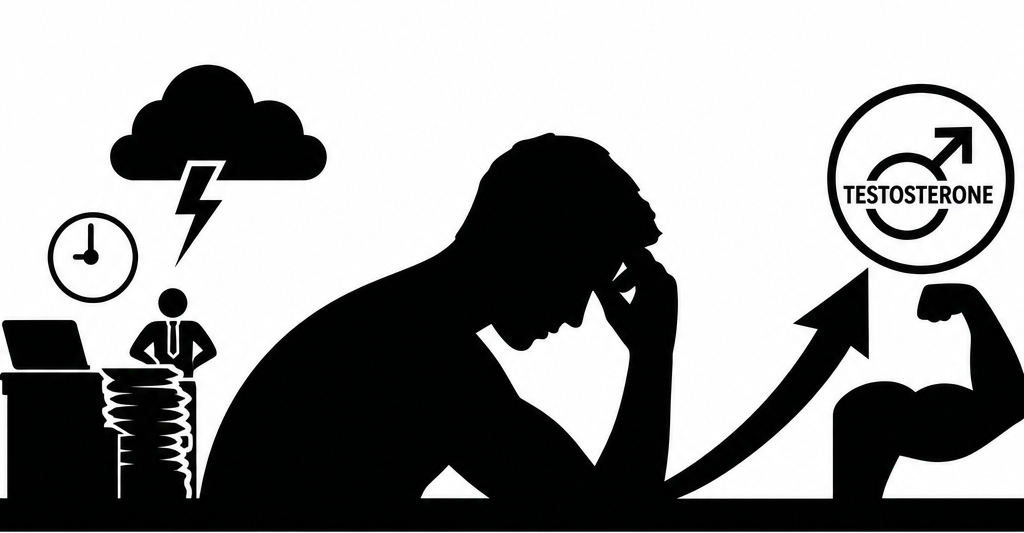
The Truth Men Never Hear
Most men think their testosterone dropped because they hit 40.
That’s not true.
Your body didn’t suddenly break. It simply stopped covering for the lifestyle habits you’ve been carrying for years.
And one habit — the most common habit in modern life — destroys testosterone more than anything else.
It’s not soy. It’s not seed oils. It’s not missing a workout. It’s not skipping cold plunges.
The real killer is much simpler.
The #1 Habit That Destroys Testosterone After 40: Chronic Stress
Not “rough day” stress. Not “my boss annoyed me” stress.
I’m talking about chronic, unrelenting, background stress — the kind that sits in your chest, tightens your neck, steals your sleep, and keeps your nervous system stuck in fight‑or‑flight.
This single habit destroys testosterone through three direct pathways:
1. Stress raises cortisol, and cortisol shuts down testosterone production
Cortisol and testosterone compete for the same raw materials. When cortisol is high, your body diverts resources away from testosterone.
Your body chooses survival over strength.
2. Stress wrecks sleep, and poor sleep drops testosterone immediately
One bad night of sleep can drop testosterone by 10–15% the next day. Chronic poor sleep can drop it by 30% or more.
Men over 40 feel this harder because their sleep is already more fragile.
3. Stress increases belly fat, which converts testosterone into estrogen
This is the silent killer.
Belly fat isn’t just “extra weight.” It’s hormonally active tissue that steals testosterone and turns it into estrogen.
That’s why stressed men develop:
- lower energy
- weaker erections
- softer muscle
- stubborn belly fat
- lower drive
- slower recovery
It’s not age. It’s stress.
Why This Habit Hits Harder After 40
Men over 40 carry more weight than younger men — not physical weight, but responsibility weight:
- career pressure
- financial pressure
- marriage pressure
- fatherhood pressure
- aging parents
- health concerns
- lack of time
- lack of recovery
Your nervous system is overloaded.
And overloaded systems don’t produce strong hormones.
This is why so many men say:
“I feel like I’m running on fumes.”
They are.
The Good News: You Can Reverse This Fast
You don’t need TRT. You don’t need supplements. You don’t need a perfect diet.
You need to break the stress cycle.
Here’s how men over 40 restore testosterone naturally — without gimmicks.
1. Fix Your Sleep First
Sleep is the #1 testosterone builder.
Simple rules:
- in bed before 11
- no screens 30 minutes before bed
- cold room
- dark room
- consistent wake time
This alone can raise testosterone 10–20% in a few weeks.
2. Lower Cortisol Through Physical Release
Men don’t “talk out” stress. Men burn it off.
Best options:
- 10–15 minutes of walking
- strength training 3–4x/week
- pelvic floor release work
- mobility loops
- slow‑exhale breathing drills
These lower cortisol fast.
3. Reduce Belly Fat Through Insulin Control
You don’t need a perfect diet. You need a simple one.
A 5‑ingredient diet works perfectly here:
- eggs
- sardines
- olive oil
- leafy greens
- potatoes
High protein, high micronutrients, stable insulin.
This is testosterone‑friendly eating.
4. Build a Morning Routine That Sets Hormones
Men over 40 need a calm start, not a chaotic one.
Best morning routine:
- sunlight within 10 minutes
- water + electrolytes
- slow breathing
- light movement
- protein within 60 minutes
This stabilizes cortisol and sets testosterone for the day.
The Bottom Line
Your testosterone didn’t fall because you turned 40.
It fell because chronic stress has been quietly draining your system for years.
Fix the stress, and your testosterone comes back online.
Men don’t need hacks. Men need calm, strength, and consistency.
Disclaimer
This content is for general information only. It’s not medical advice, and it’s not a substitute for talking with a qualified health professional.