Nervous System and Stress

Nervous System and Stress

Why Men Over 40 Wake Up at 3 AM (The Stress Cycle No One Talks About)

Men over 40 don’t wake up at 3 AM because they’re “bad sleepers.” They wake up because their system is overloaded and firing at the wrong time. Around 3–4 AM, cortisol is supposed to rise slowly — but when you’re stressed, inflamed, or carrying too much responsibility, it spikes early and snaps you awake. This isn’t weakness. It’s your body signaling that the pressure you carry during the day is spilling into the night.
Nervous System and Stress

Wired at Night, Exhausted in the Morning

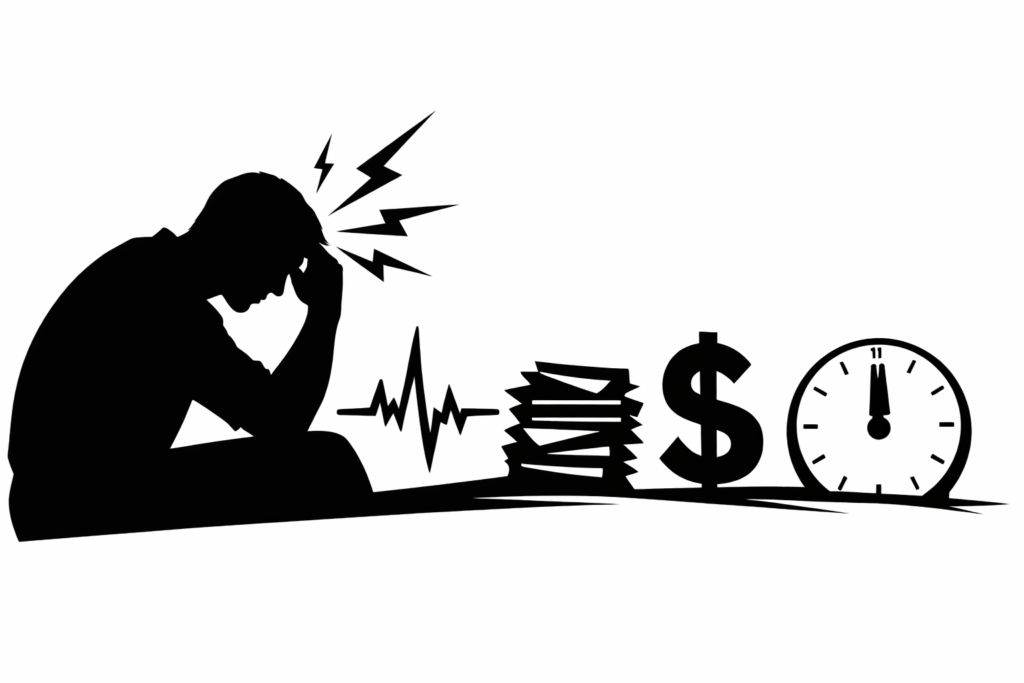
Most men over 40 feel wired at night and exhausted in the morning because their nervous system never gets the signal to shut down. Your body is tired, but your system is still running in high alert — keeping you awake at night and robbing you of deep, restorative sleep. Once you learn how to downshift the system, your nights calm down, your mornings get easier, and your energy finally comes back.

Nervous System and Stress

Why Men Over 40 Can’t Handle Stress Like They Used To

Stress hits harder after 40 not because men get weaker, but because their nervous system has been running in high alert for decades. When the system stays overloaded, patience drops, sleep gets lighter, digestion slows, and even small problems feel bigger than they should. The good news: once you learn how to reset your nervous system, stress stops hitting like a freight train and you start feeling like yourself again.

Nervous System and Stress

THE OVERLOADED NERVOUS SYSTEM: The Hidden Root of 90% of the Problems Men Over 40 Face

Most men think they’re falling apart after 40, but the real problem is an overloaded nervous system that’s been running hot for decades. When your body stays in high alert, everything slows down—energy, digestion, sleep, recovery, and even your patience. The good news: once you learn how to reset your system, your body stops fighting you and starts rebuilding again.

Nervous System and Stress

Why Men Over 40 Recover Slower (And What It Really Means)

Most men think slow recovery is just “getting older,” but it’s not. Slow recovery is your body’s warning light — a sign your system has been running in survival mode for years. When the nervous system stays overloaded, everything takes longer to heal, reset, and bounce back. The good news: once you learn how to downshift your body, recovery speeds up fast and you start feeling like yourself again.

Scroll to Top