The Morning Stiffness Pattern Most Men Ignore
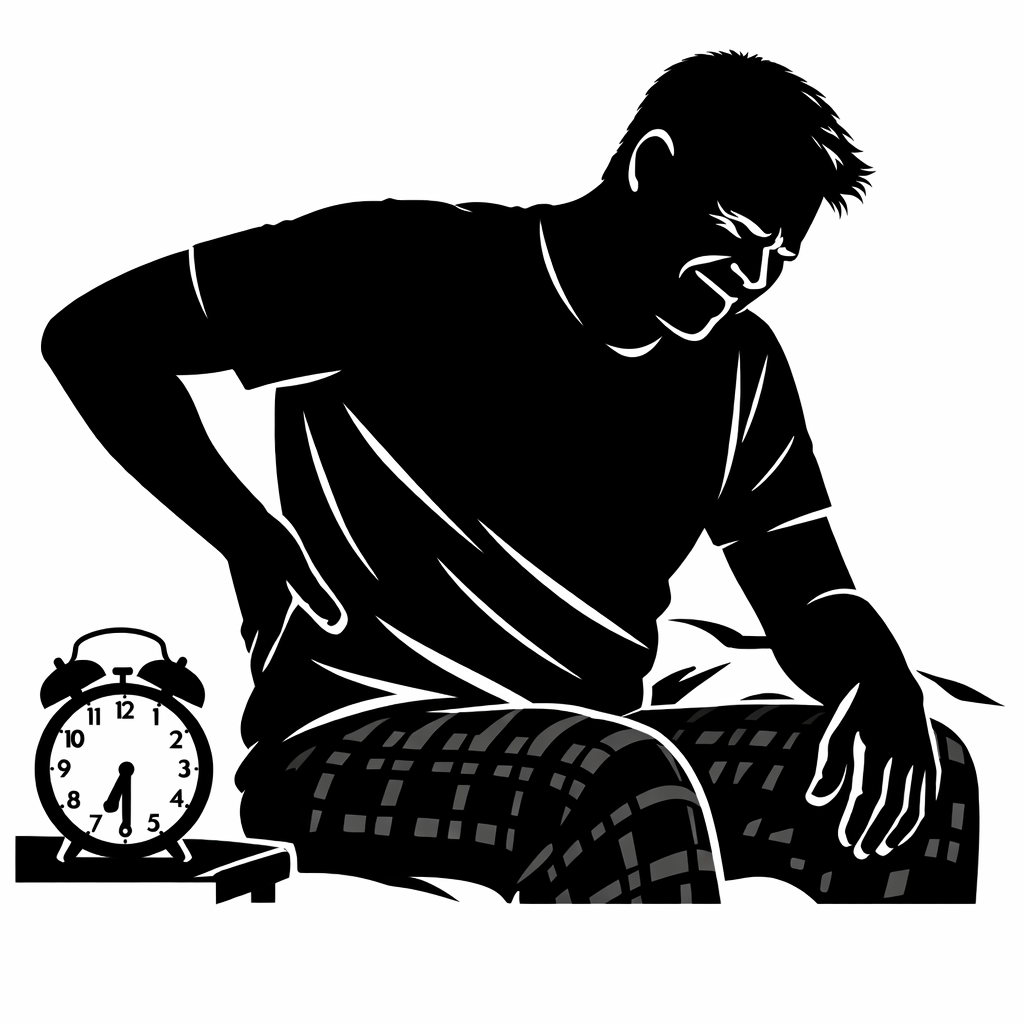
There’s a moment every man over 40 knows too well:
You swing your legs out of bed… You stand up… And your lower back feels like it belongs to someone 20 years older.
It’s tight. It’s slow to “turn on.” It takes a few minutes before you feel like yourself again.
Most men shrug it off as “just aging.” It isn’t.
Morning stiffness is a signal — and once you understand what it’s telling you, you can fix it.
The Real Causes (That Doctors Rarely Explain Clearly)
1. Overnight Disc Rehydration
Your spinal discs act like shock absorbers. During the day, gravity compresses them. At night, they rehydrate and swell slightly.
That swelling is normal — but it also makes the spine less flexible first thing in the morning.
This is why bending forward right after waking up feels like folding a frozen garden hose.
2. Facet Joint Compression
The small joints in your spine (facet joints) stiffen overnight.
If you sleep curled, twisted, or on a soft mattress, those joints “lock up” a bit.
When you stand, they have to glide again — and that first glide can feel like rust breaking loose.
3. Tight Hip Flexors From Sitting
If you sit a lot — driving, working, relaxing — your hip flexors shorten.
Short hip flexors tilt your pelvis forward. A forward‑tilted pelvis puts constant tension on your lower back.
Morning stiffness is often your back saying:
“I’ve been compensating for your hips all day. Give me a break.”
4. Weak Glutes
Men over 40 lose glute strength faster than almost any other muscle group.
Weak glutes = your lower back doing double duty.
Morning stiffness is the bill coming due.
5. Low‑Grade Inflammation
Late‑night eating, poor sleep, stress, alcohol, and dehydration all increase inflammation.
Inflamed tissues stiffen overnight.
You feel it the moment you stand up.
6. Stress‑Driven Muscle Guarding
Your nervous system doesn’t shut off just because you’re asleep.
If you’re stressed, your back muscles stay partially contracted all night.
You wake up feeling like you slept on concrete.
The 3 Red Flags That Mean It’s Not Normal
Most morning stiffness is fixable. But these signs mean you should pay attention:
1. Stiffness lasts more than 30–45 minutes
This can indicate inflammation, arthritis, or disc issues.
2. Pain radiates into the legs or groin
That’s nerve involvement — not something to ignore.
3. Numbness, tingling, or weakness
This is your body waving a bright red flag.
What Actually Helps (Not the Usual Generic Advice)
1. The 60‑Second Morning Decompression
Before you stand up:
- Lie on your back
- Pull your knees gently toward your chest
- Hold 20–30 seconds
- Repeat twice
This unloads the spine and reduces that “first bend” pain.
2. The Hip‑Flexor Release
One minute per side:
- Step one foot forward
- Drop into a gentle lunge
- Tuck your pelvis slightly
- Hold
This takes pressure off your lower back instantly.
3. The Glute Activation Primer
10 reps each:
- Glute bridges
- Standing hip extensions
- Mini‑squats
You’re not “working out.” You’re turning the lights back on.
4. The First 10 Minutes Rule
For the first 10 minutes after waking:
- No bending to pick things up
- No tying shoes
- No twisting
- No heavy lifting
Let the spine warm up before you ask it to perform.
5. The Anti‑Inflammation Stack
Simple, not fancy:
- 12–16 oz water immediately
- Light movement
- Protein + healthy fat breakfast
- Magnesium glycinate at night
- Cut late‑night eating
Your back will feel the difference.
When to See Someone
You don’t need a doctor for normal stiffness.
But you should get checked if:
- Pain wakes you up at night
- You can’t stand straight in the morning
- You feel weakness in one leg
- Symptoms are getting worse, not better
Simple rule: If it’s interfering with your life, get it looked at.
The Men 40+ Pattern: What This Says About Your Body
Morning stiffness is rarely “just a back problem.”
It’s a reflection of:
- Stress load
- Movement patterns
- Sleep quality
- Inflammation
- Hip mobility
- Glute strength
- Daily habits
Fix the pattern, and the stiffness fades.
Ignore it, and it becomes chronic pain.
This content is for general information only. It’s not medical advice, and it’s not a substitute for talking with a qualified health professional.