The Takeaway
Most working men believe they can grind all week, collapse on Saturday, and somehow “reset” their stress system before Monday. But the body doesn’t work like that. Stress chemistry doesn’t clear on a schedule — it clears through consistent daily recovery, not two days of crashing. The Weekend Recovery Myth keeps men stuck in a cycle where they never fully reset — they just temporarily stop drowning.
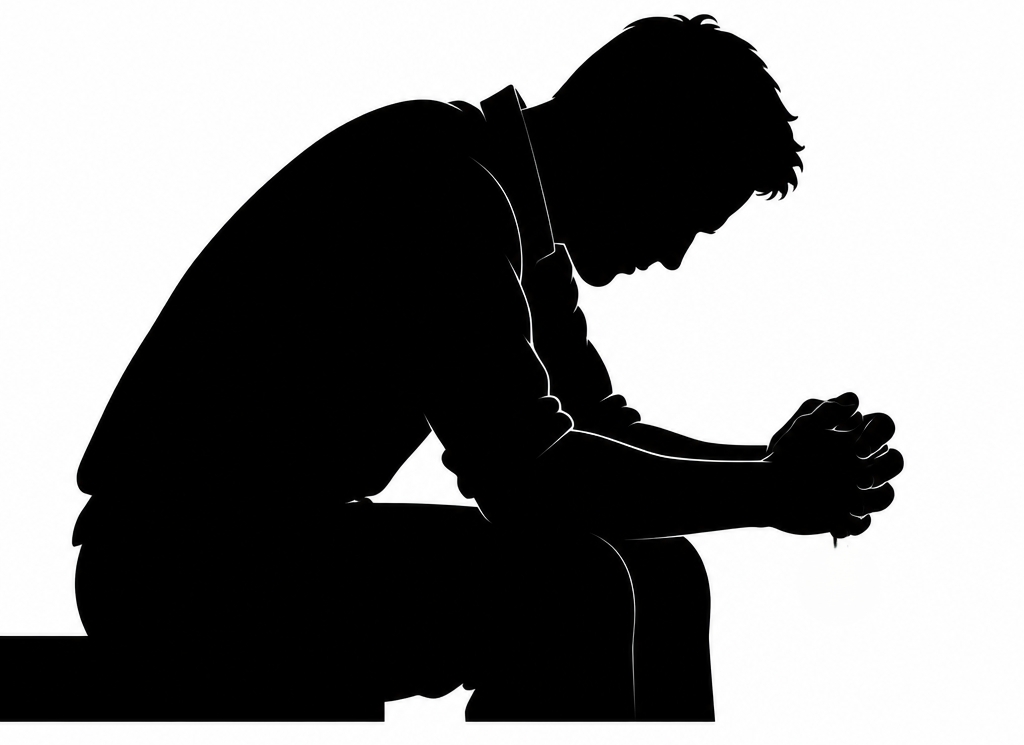
Why Weekends Don’t Actually Reset Your Stress System
1. Stress Chemistry Doesn’t Clear in 48 Hours
Cortisol and adrenaline don’t magically drop because it’s Saturday. Your stress load is cumulative — it stacks day after day.
By Friday:
- Cortisol is elevated
- Muscles are tight
- Sleep is disrupted
- Inflammation is up
- Pain sensitivity is higher
Two days of rest can’t undo five days of overload.
2. Most Men Spend Saturday Recovering, Not Resting
Saturday isn’t recovery — it’s crash day.
Men wake up:
- Exhausted
- Achy
- Foggy
- Irritable
- Overstimulated
- Behind on sleep
Your body spends Saturday trying to get back to baseline, not building resilience.
By the time you feel halfway normal, it’s already Sunday afternoon.
3. Sunday Isn’t Recovery — It’s Anticipation Stress
Sunday is the most stressful day of the week for working men.
Why?
- Monday is coming
- Workload is looming
- Sleep pressure builds
- Anxiety rises
- Cortisol spikes in the evening
This “Sunday Stress Surge” wipes out whatever small recovery you gained on Saturday.
4. The Nervous System Doesn’t Reset on a Calendar
Your stress system doesn’t care what day it is.
It only responds to:
- Breathing
- Movement
- Sleep quality
- Muscle relaxation
- Gut calm
- Screen reduction
- Emotional decompression
If you don’t do these during the week, weekends become a band‑aid, not a reset.
5. The Weekend Crash Creates a False Sense of Recovery
Men often say:
“I feel better by Sunday afternoon.”
But that’s not recovery — that’s partial stabilization.
Your body is only returning to functional, not healthy.
By Monday morning:
- Cortisol spikes
- Muscles tighten
- Sleep debt returns
- Pain flares
- Gut acts up
- Energy drops
And the cycle repeats.
The Real Problem: The Weekly Stress Debt Cycle
Here’s the pattern most men fall into:
Monday–Friday: Stress load rises → sleep drops → tension builds → inflammation increases → pain worsens
Saturday: Crash → partial recovery → low energy → high fatigue
Sunday: Anticipation stress → cortisol spike → poor sleep → nervous system overload
Monday: Back to zero recovery → repeat
This is why men feel like they’re “never caught up” — because they aren’t.
Why Men Over 40 Feel This Even More
After 40:
- Cortisol clears slower
- Sleep becomes lighter
- Muscles stay tighter
- Recovery takes longer
- Inflammation rises faster
- Stress chemistry lingers
This makes weekend recovery even less effective.
Men over 40 need daily decompression, not weekend collapse.
The Mule Man Interpretation
A Mule Man doesn’t wait for the weekend to reset. He resets every day, even if it’s only for 10 minutes.
He understands:
- Stress is a load
- Loads must be managed
- Recovery is a discipline
- Consistency beats intensity
- Small daily resets prevent big breakdowns
This is how men stay steady, strong, and useful — not just on weekends, but all week long.
How Men Actually Reset Their Stress System (Daily Blueprint)
1. The 10‑Minute Evening Wind‑Down
Signals the nervous system to shut down pain, tension, and cortisol.
- 2 minutes of slow breathing (4 seconds in, 6 seconds out)
- 3 minutes of neck, trap, and jaw release
- 3 minutes of pelvic floor + lower back relaxation
- 2 minutes of screen‑off decompression (dim lights, quiet, no stimulation)
This short routine flips your body out of “fight mode” and into “recovery mode.” Men who do it consistently report less back pain, fewer neck flare‑ups, calmer sciatica, and better sleep — because the nervous system finally gets permission to stand down.
2. Neck + Trap Decompression
Releases the first muscles stress tightens.
- Drop your shoulders and let them hang
- Gently lengthen your neck upward like you’re making space between each vertebra
- Slow exhale while letting the traps soften
- Light side‑to‑side tilts to release the protective tension pattern
This resets the stress‑tightened muscles and immediately reduces pain signals coming from the neck, shoulders, and upper back.
3. Pelvic Floor + Lower Back Relaxation
Stops the stress‑tension chain that causes pain flare‑ups.
Drops cortisol and calms the threat system in under 2 minutes.
Prevents nighttime overstimulation and poor sleep.
6. A 10–15 Minute Walk After Work
Lowers inflammation and resets stress chemistry.
These small daily resets outperform any weekend crash.
Disclaimer
This article is for educational purposes only and is not a substitute for professional medical advice, diagnosis, or treatment. Always consult a qualified healthcare provider for personalized guidance regarding your health.