Most men think gut problems come from food — something they ate, something that didn’t agree with them, or “just getting older.” But for working men over 40, one of the biggest gut disruptors isn’t food at all.
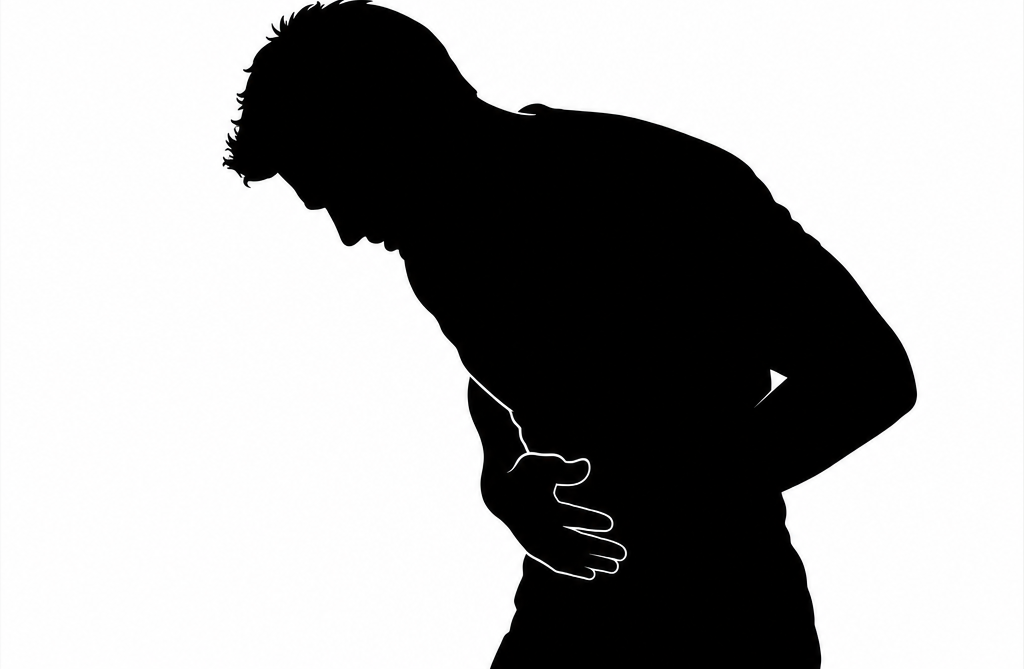
Stress changes how the gut moves, how it absorbs nutrients, how it handles pressure, and how it communicates with the brain. When cortisol stays high, digestion slows down, speeds up, or misfires completely.
This is the hidden link most men never learn: Your stress chemistry controls your gut more than your diet does.
1. The Stress–Gut Connection: Why Men Feel It More
Men carry stress differently than women. They internalize it, push through it, and keep going. That creates a hormonal pattern that hits the digestive system hard.
When stress rises:
- Cortisol spikes
- Adrenaline tightens muscles
- Blood flow shifts away from digestion
- The gut’s rhythm becomes irregular
- Inflammation increases
This is why men under pressure suddenly deal with:
- Bloating
- Constipation
- Diarrhea
- Acid reflux
- Cramping
- Gas
- “Nervous stomach”
- Sudden bathroom urgency
It’s not random — it’s chemistry.
2. Cortisol: The Hormone That Disrupts Digestion
Cortisol is the body’s stress hormone. When it stays elevated, it disrupts digestion in three major ways:
A. It Slows Down Gut Movement
High cortisol can make the gut sluggish, leading to:
- Constipation
- Hard stools
- Feeling “backed up”
- Heavy, bloated belly
Men often blame food — but the real cause is stress locking the gut down.
B. It Speeds Up Gut Movement
For other men, cortisol does the opposite:
- Loose stools
- Urgency
- Stress diarrhea
- Post‑meal rushing
This is the classic “fight‑or‑flight gut.”
C. It Increases Stomach Acid
Cortisol ramps up acid production, causing:
- Heartburn
- Reflux
- Chest tightness
- Throat irritation
- Chronic cough (yes — stress can cause cough)
This is why reflux often gets worse during stressful seasons.
3. Adrenaline and Tension: The Hidden Gut Killers
Men under stress tighten their:
- Jaw
- Neck
- Shoulders
- Lower back
- Abdomen
That abdominal tension compresses the intestines and disrupts normal movement. This is why men say things like:
- “My stomach feels tight.”
- “I feel pressure in my gut.”
- “I can’t relax my belly.”
It’s not the gut itself — it’s the muscles around it.
4. The Inflammation Loop: Why Stress Creates Gut Symptoms That Don’t Go Away
Chronic stress increases inflammatory chemicals in the body. Inflammation in the gut leads to:
- Sensitivity
- Pain
- Food intolerance
- Gas
- Irregular bowel movements
This is why men suddenly “can’t handle” foods they used to eat without issue. It’s not the food — it’s the inflamed gut reacting to stress.
5. The Male Stress–Gut Cycle (The Pattern Most Men Miss)
Here’s the cycle men fall into:
- Stress rises
- Cortisol spikes
- Digestion slows or speeds up
- Gut symptoms appear
- Men worry about the symptoms
- Worry increases stress
- Stress worsens gut symptoms
This loop can last months or years if men don’t break it.
6. The Mule‑Man Gut Reset: How Men Can Break the Cycle
A. Breathe Down the Gut
Slow exhale breathing relaxes abdominal muscles and resets gut rhythm.
Stress eating (fast, distracted, on the go) disrupts digestion more than the food itself.
A 10‑minute walk improves gut movement and lowers cortisol.
D. Reduce Late‑Night Eating
Digestion slows at night — stress makes it worse.
E. Sleep Deep
Poor sleep raises cortisol, which wrecks digestion the next day.
F. Lower Caffeine
Too much caffeine + stress = gut chaos.
These aren’t gimmicks — they’re physiology.
7. Why Men Over 40 Feel Stress in Their Gut More Than Ever
After 40:
- Cortisol stays elevated longer
- Digestion naturally slows
- Inflammation rises
- Muscle tension increases
- Sleep becomes lighter
- Testosterone drops (which affects gut motility)
This makes the gut more sensitive to stress than it was in a man’s 20s or 30s.
8. The Mule‑Man Takeaway
Your gut isn’t broken. Your diet isn’t the enemy. Your age isn’t the problem.
Stress is the hidden switch controlling your digestion.
When men learn to lower cortisol, relax tension, and reset their system, gut symptoms improve — often faster than they expect.
Stay steady. Stay strong. Stay useful.
Summary
Stress disrupts digestion in men by raising cortisol, tightening abdominal muscles, increasing inflammation, and altering gut movement. This leads to bloating, constipation, diarrhea, reflux, and gut sensitivity. Understanding the stress–gut connection helps men over 40 regain control of their digestion and energy.
Disclaimer This article is for educational purposes only and not a substitute for professional medical advice. Men experiencing persistent digestive symptoms should consult a qualified healthcare provider